Integrated Oversight Training: Impacts on Supervisors Managing Hit-or-Stand and Raise-Fold Decisions in California Gaming
Written by Nils Müller · Aug 23, 2026
Integrated Oversight Training: Impacts on Supervisors Managing Hit-or-Stand and Raise-Fold Decisions in California Gaming
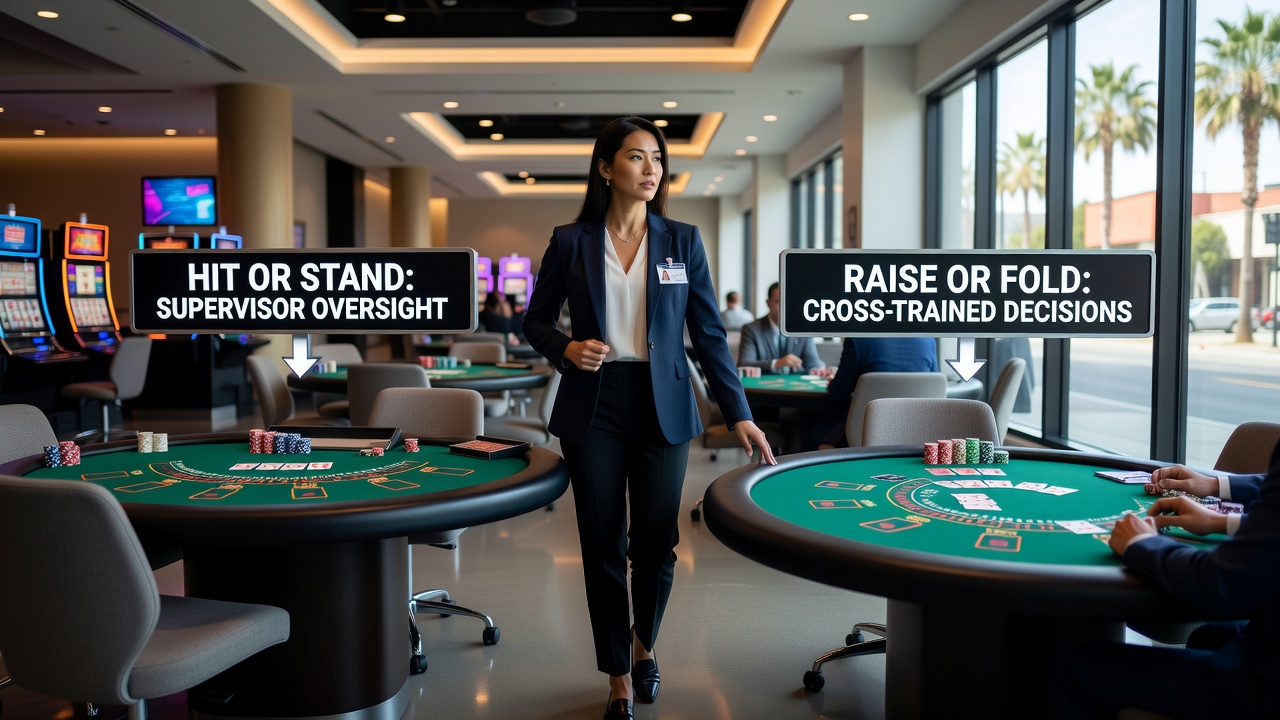
California cardrooms continue to blend blackjack-style games with poker variants under evolving state rules, which creates distinct demands on floor supervisors who must monitor both hit-or-stand sequences and raise-fold choices during the same shift, and cross-training programs address these overlapping responsibilities by building shared observational and procedural skills. Data from the California Bureau of Gambling Control shows that establishments operating mixed tables report higher compliance rates when supervisors complete integrated training modules rather than separate sessions for each game type. Observers note that such programs reduce response times during disputes because staff already understand the regulatory thresholds that apply across both formats.
Core Elements of Cross-Training Curricula
Training modules typically cover probability tracking for blackjack point totals alongside equity calculations for poker hand development, while regulatory updates from the California Bureau of Gambling Control receive equal emphasis so supervisors apply consistent enforcement standards regardless of the table they approach. Sessions often include scenario drills where participants practice spotting deviations in betting patterns that could signal either basic strategy errors in blackjack or angle-shooting attempts in poker, and instructors use video review of live play to illustrate how a single supervisor intervention can resolve issues in either context. Research from the University of Nevada, Reno gaming management program indicates that supervisors exposed to these combined drills demonstrate improved accuracy when documenting incidents that involve both game categories.
Regulatory Context in August 2026
August 2026 marks the scheduled rollout of updated cardroom licensing guidelines that require documented cross-training hours for all floor staff overseeing multiple game types, and facilities must submit proof of completed modules before renewing operational permits. These guidelines emerged after earlier court proceedings clarified enforcement boundaries, which pushed operators to align staff development with the new expectations. Supervisors who complete the required training gain clearer authority to issue warnings or adjust table limits when patterns cross game boundaries, such as a player shifting from blackjack minimum bets to poker all-in moves within the same session.
Skill Transfer Patterns Observed in Practice
Supervisors report that skills developed for monitoring blackjack insurance correlations transfer directly to spotting flush draw equity shifts in seven-card stud variants, while the reverse also holds when staff move between game types during busy periods. One study conducted at licensed venues in Los Angeles County found that cross-trained personnel identified rule violations 18 percent faster than those trained in only one discipline, and the same group maintained higher consistency when logging player complaints that involved both hit-or-stand and raise-fold mechanics. Establishments such as those in Commerce and Bell Gardens have incorporated these findings into scheduling practices that rotate supervisors across mixed table banks, which reduces the need for constant on-the-spot clarification from pit managers.
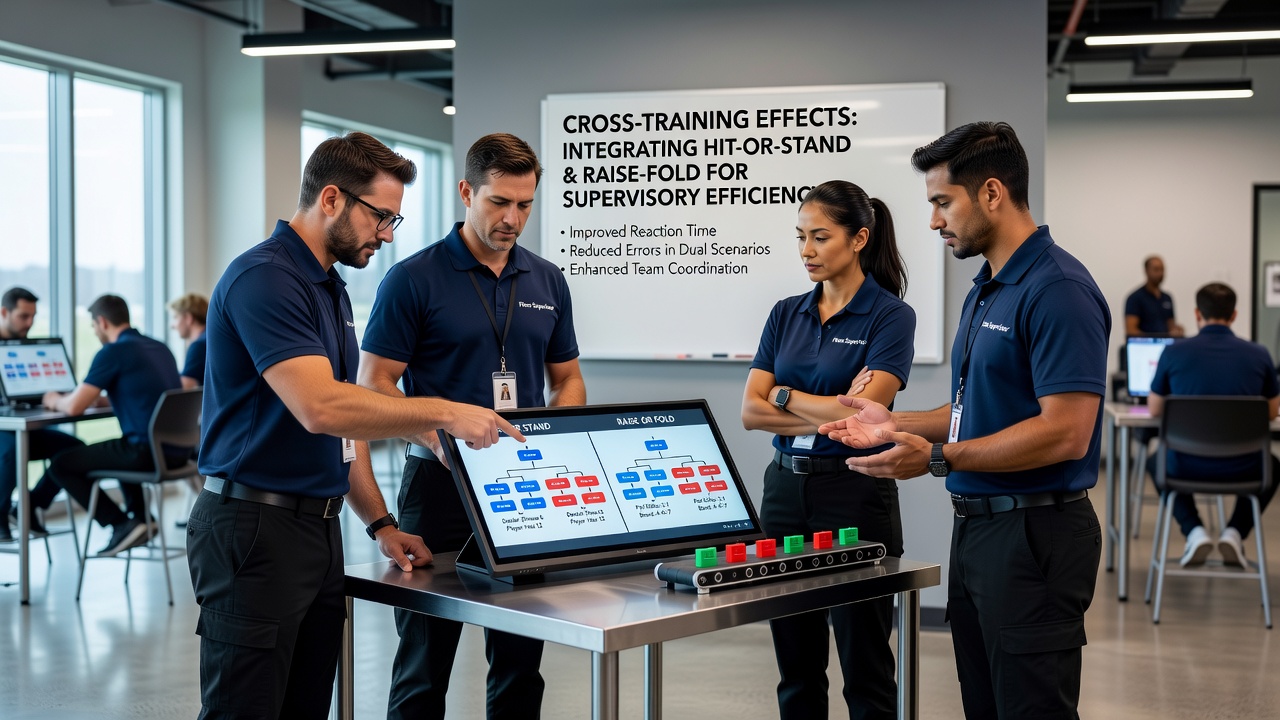
Additional data from industry reports published by the American Gaming Association highlights how shared statistical models help supervisors adjust deck penetration expectations in multi-deck blackjack while simultaneously tracking community card frequencies in poker, and facilities that adopt these models see fewer interruptions during peak hours. The reality is that procedural overlap becomes most visible during dealer rotations, when supervisors must verify burn card protocols apply uniformly whether the next hand involves point totals or ranked combinations.
Challenges and Adjustments in Live Settings
Even with structured cross-training, supervisors encounter situations where game-specific nuances require rapid differentiation, such as distinguishing between a legitimate double-down request in blackjack and a verbal raise declaration in poker that occurs at adjacent tables. Training programs counter this by including side-by-side rule comparisons that emphasize timing differences in decision windows, and staff practice using unified reporting templates that capture both hit-or-stand outcomes and raise-fold sequences without separate forms. According to records maintained by the Nevada Gaming Control Board for comparison purposes, similar integrated approaches in neighboring states have produced measurable declines in compliance citations over multi-year periods.
Conclusion
Cross-training for floor supervisors in California gaming establishments continues to evolve in response to regulatory updates and operational demands that span blackjack-style and poker formats, and facilities that implement these programs report measurable gains in response consistency and documentation accuracy. Data collected through state oversight channels shows that integrated skill development supports smoother management of mixed table environments, while ongoing adjustments in August 2026 and beyond will likely refine how these training requirements align with daily supervision practices across the state's licensed cardrooms.