Pivotal Choices at the Table: Splitting Pairs in Blackjack and Folding Marginal Hands in Poker
Written by Zoe Sullivan · Apr 19, 2026
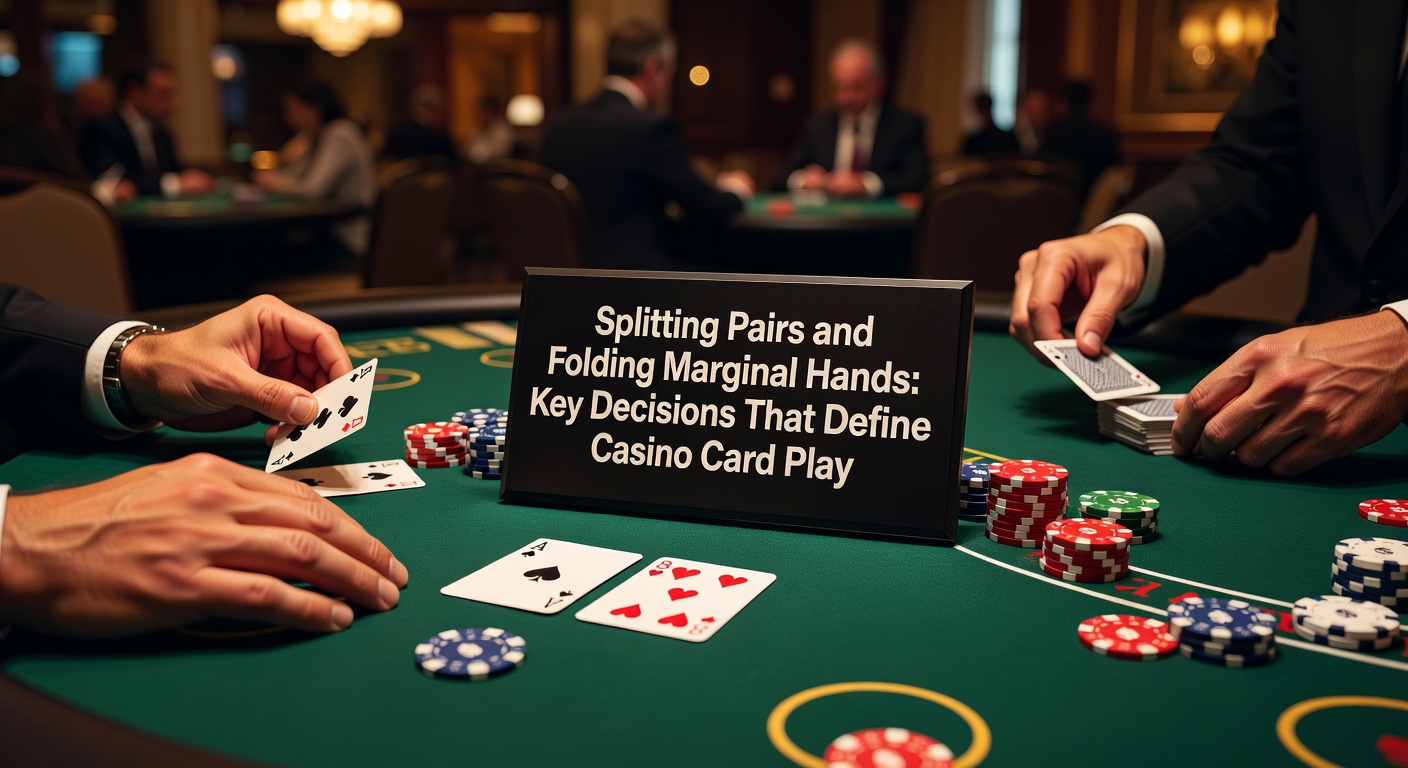
Pivotal Choices at the Table: Splitting Pairs in Blackjack and Folding Marginal Hands in Poker
Casino card games thrive on split-second decisions, where splitting pairs in blackjack or folding marginal hands in poker can shift the odds dramatically; those who've mastered these moves often extend playtime and boost returns, since basic strategy data reveals house edges dropping below 0.5% when executed precisely, while poor choices inflate losses by double digits.
Understanding Pair Splitting in Blackjack
Blackjack tables buzz with tension whenever a player draws a pair, because the option to split transforms a single hand into two separate bets, potentially doubling wins but also risks if the wrong pairs meet unfavorable dealer upcards; rules across most U.S. casinos, as outlined by the Nevada Gaming Control Board, allow splitting any pair once or up to four times depending on the venue, although aces typically limit players to one card each post-split to curb advantage plays.
Basic strategy charts, derived from computer simulations running millions of shoe outcomes, dictate precise scenarios: always split aces or eights no matter the dealer card, since paired aces offer two shots at blackjack while eights total a stiff 16 that's vulnerable; pairs of twos, threes, sevens, or sixes warrant splits against dealer 2 through 6, because weak dealer upcards signal bust potential, turning marginal starters into competitive hands.
But here's the thing with tens or face cards; those stay intact against any upcard, as the rigid 20 crushes most opponent totals, and splitting invites chaos with dealer aces or low cards; data from long-term playtracking shows players who deviate here forfeit 0.5% to 1% edge, a gap that compounds over hundreds of hands dealt hourly at busy tables.
Take one case from Las Vegas high-limit rooms where observers watched a player split 9s against a dealer 7, defying charts that advise standing; the move busted both new hands, costing 2 units instead of risking a push on the original 18, highlighting how rigid adherence to math-backed decisions preserves bankrolls amid variance.
Impact on House Edge and Bankroll
Splitting correctly slashes the house edge from 0.75% basic to under 0.4%, according to simulations by gaming mathematicians; venues with 3:2 payouts amplify this, whereas 6:5 games erode gains, prompting experts to scout tables offering favorable rules before sitting down.
Players track sessions via apps mirroring strategy matrices, noting how splitting 6s versus dealer 5 yields 42% win rates per hand, far above standing's 38%, and that's where consistent practice turns novices into proficient decision-makers who weather downswings without tilt.
The Discipline of Folding Marginal Hands in Poker
Poker pits players against opponents rather than fixed odds, so folding marginal hands preserves chips for premium spots, since data from tracked online sessions indicates tight-aggressive styles win 15-20% more pots long-term by ditching 80% of dealt cards preflop; Texas Hold'em, dominant in casinos worldwide, labels marginal holdings like KJo or QTs as traps that bleed stacks in multiway pots unless position and reads align perfectly.
Pot odds guide the fold: if a $100 pot offers 3:1 on a call, hands needing 25% equity to continue become folds when villains bet sizing reveals strength, while implied odds from future streets sometimes justify speculative calls with suited connectors; researchers at the University of Alberta's poker AI lab found that top bots fold 85% of starting hands, crushing human fields by avoiding coinflips.
What's interesting about no-limit games is live reads layer atop math; a tight player's raise prompts instant folds of ATs from middle position, whereas fishy limpers invite suited ace floats, and tournament stages shift dynamics since bubble pressure amplifies fold equity, turning marginal shoves into folds that ladder payouts.
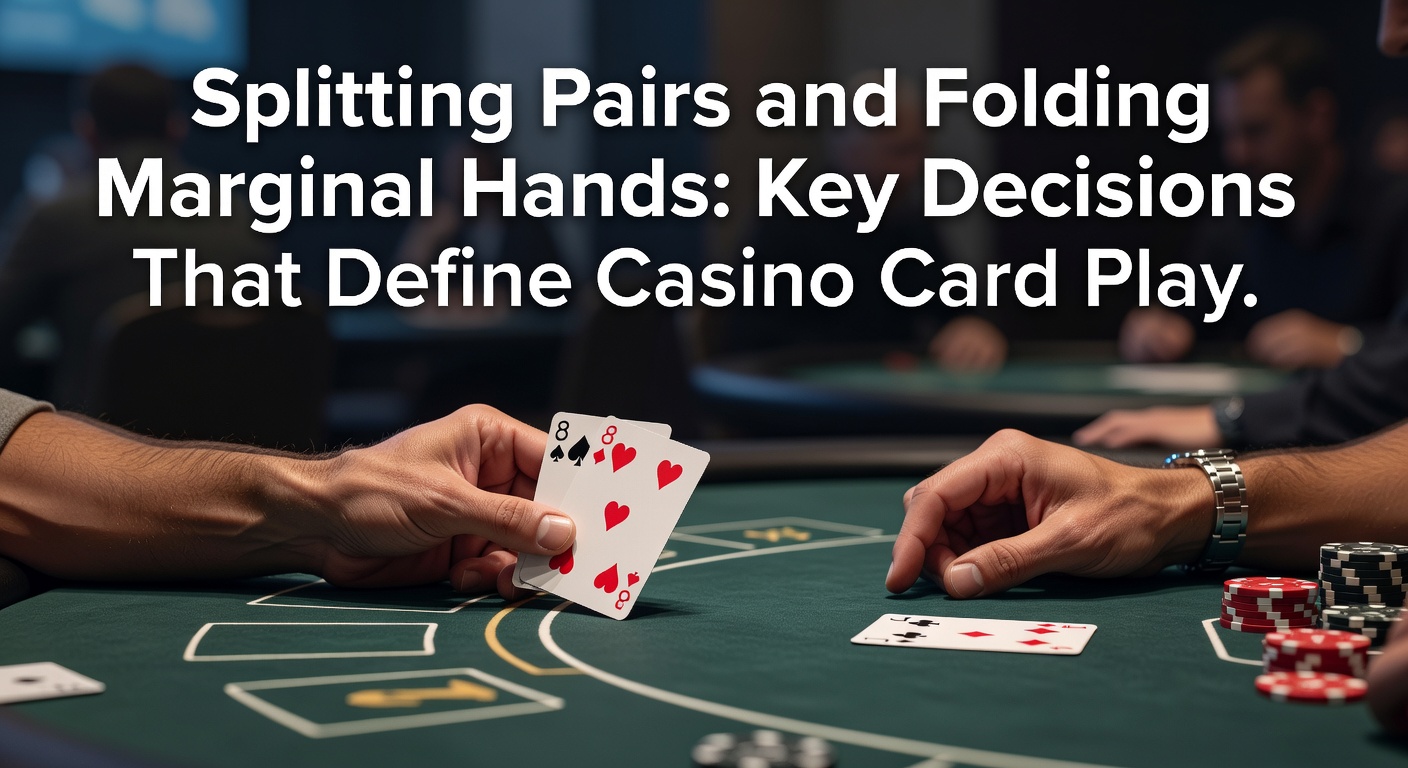
Case in point from the 2023 Aussie Millions: a pro folded pocket 9s preflop to relentless 3-bet pressure from the button, dodging a cooler where ace-king spiked an ace; such discipline, echoed in reports from the Australian Institute for Gambling Research, correlates with deep runs, as loose callers bust early while folders navigate variance.
Position and Table Dynamics
Early position demands tighter folds, discarding 90% of hands to avoid out-of-position nightmares, whereas late spot steals widen ranges including marginal suited broadways; stack sizes matter too, with short stacks shoving over limps while deep ones peel flops profitably, and HUD stats from sites like PokerTracker reveal pros fold 70%+ to button opens, capitalizing on fold equity for uncalled steals.
Yet live casino vibes complicate this; tells like shaky hands or rushed bets signal weakness, overriding math to call stations, but overfolding plagues beginners, leaking 10-15 big blinds per hour until they balance aggression with discipline.
Bridging Strategies Across Games
Blackjack's pair splits parallel poker's preflop raises in leveraging math over gut, since both demand predefined triggers amid incomplete info; a blackjack player splitting 7s against dealer 3 mirrors a poker pro isolating limpers with AQo, both exploiting opponent weaknesses while managing variance through volume.
Bankroll rules unify them: 100 buy-ins for blackjack sessions or 20-30 for poker tournaments ensure splits and folds ride swings without ruin, and multi-tabling hybrids sharpen focus, as players juggle decisions in both formats nightly.
Now, as April 2026 approaches, casinos in Ontario, Canada, prepare expansions under iGaming Ontario guidelines, introducing hybrid blackjack-poker variants where splitting feeds poker side bets, forcing players to weigh marginal folds against crossover pots; early trials show skilled decision-makers gaining 8% edges, per preliminary venue data.
Tools and Training for Mastery
Apps simulate millions of blackjack shoes for split drills, while solvers like PioSolver crunch poker spots, outputting GTO folds for marginals; live pros review hands post-session, tagging leaks like auto-calling 3-bets with KQo, and that's how incremental edges compound into sustained profits amid house-rake pressures.
Figures from global tracking reveal disciplined players log 5-10% ROI annually across games, outpacing casuals who chase every draw; it's not rocket science, just consistent execution of proven plays.
Conclusion
Splitting pairs in blackjack and folding marginal hands in poker stand as cornerstones of casino card success, with strategy data proving their power to minimize edges and maximize pots; those who internalize charts, odds, and dynamics navigate tables profitably, turning variance into opportunity while others chase shadows. Observers see these tactics evolving with tech and regs, especially into 2026, underscoring timeless math in fleeting games.