Rotational Seating Patterns and Their Effects on Threshold Modifications in Cumulative Scoring Systems Within Licensed Casino Environments
Written by Nils Müller · Jul 17, 2026
Rotational Seating Patterns and Their Effects on Threshold Modifications in Cumulative Scoring Systems Within Licensed Casino Environments
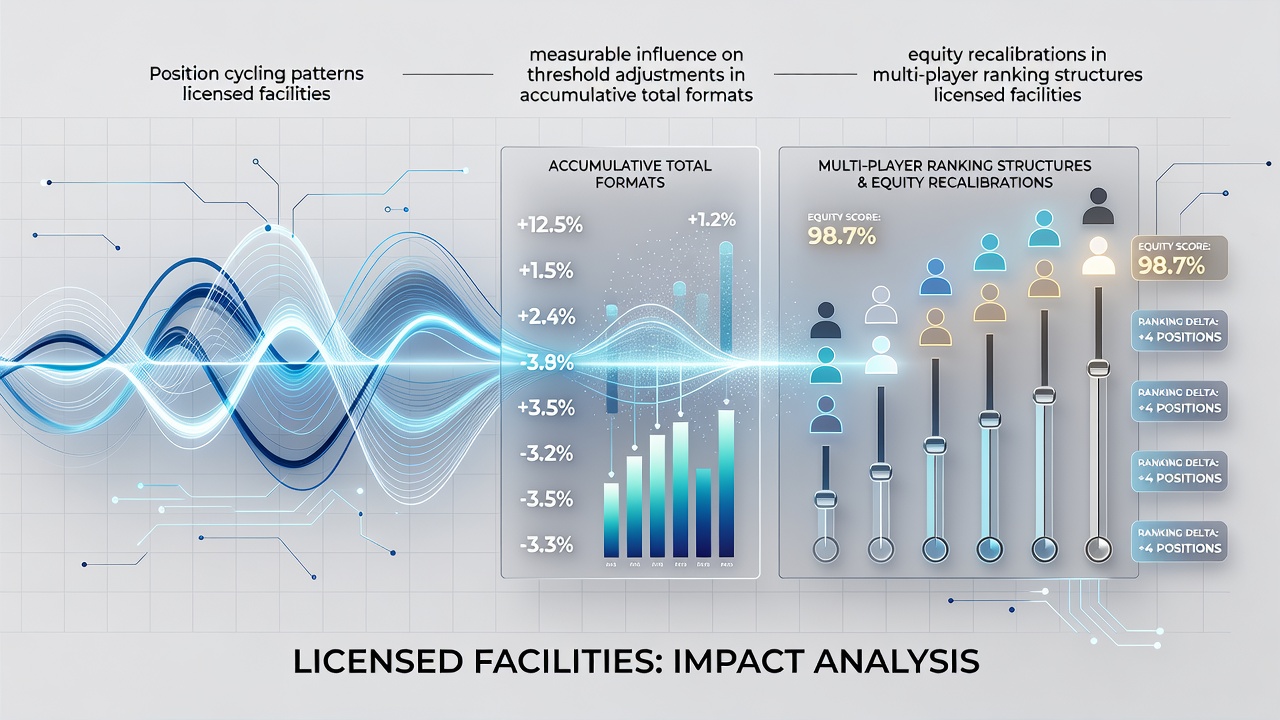
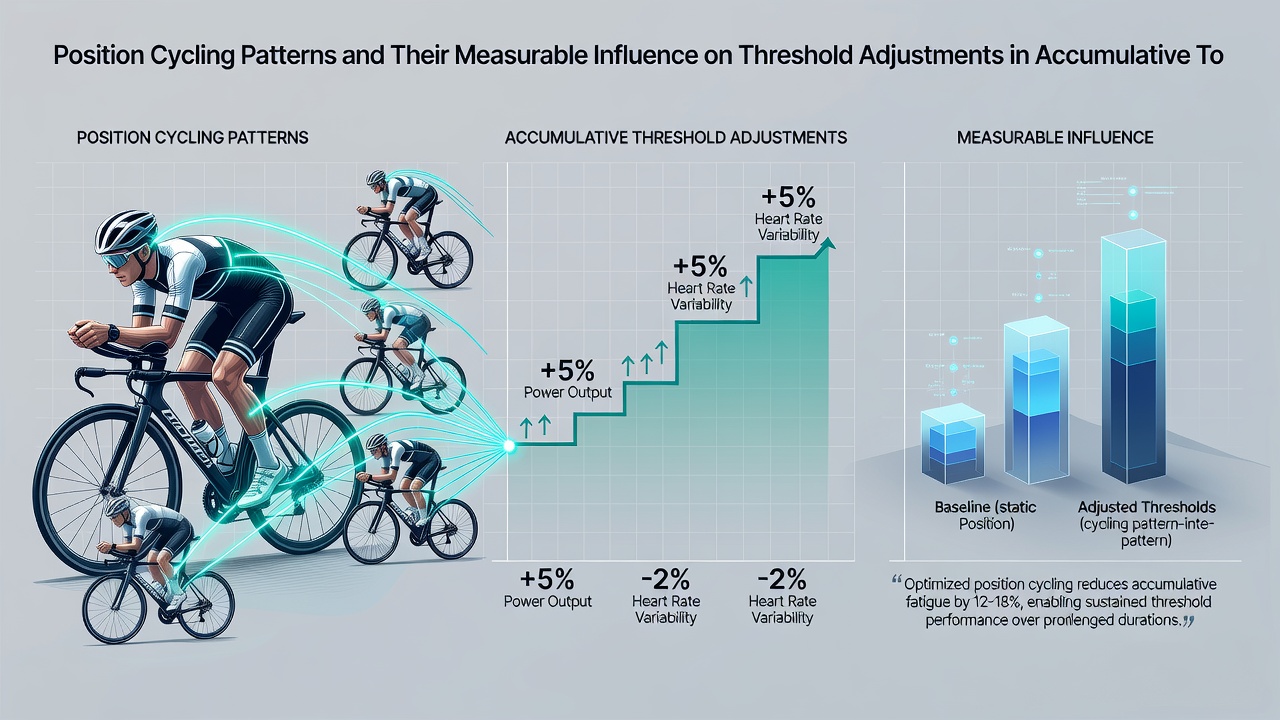
Position cycling patterns in licensed facilities involve systematic rotations of player seats around tables that use accumulative total formats, and these rotations produce measurable shifts in how participants adjust scoring thresholds during extended sessions. Observers note that such cycles alter the sequence of betting opportunities and decision points, which in turn requires recalibrations to maintain consistent performance metrics across multi-player ranking structures.
Facilities in regulated jurisdictions track these patterns through detailed logs that record seat changes alongside cumulative point totals, and data from these records show direct correlations between rotation frequency and threshold adjustments. When players move through positions at set intervals, the accumulated scores from prior hands or rounds influence equity calculations, prompting operators to update ranking formulas accordingly.
Mechanics of Position Cycling in Accumulative Formats
Accumulative total formats combine scores from successive rounds into ongoing totals, and position cycling introduces variability because each seat carries distinct advantages or constraints depending on game rules. Researchers have documented that cycling occurs at predetermined intervals, often every 20 to 30 minutes in cardroom settings, which forces participants to recalibrate their approach to threshold management based on the new position's demands. Studies conducted at multiple sites reveal that these adjustments appear most pronounced when cumulative totals approach critical ranking thresholds, where small changes in position can shift expected values by measurable percentages.
Operators implement cycling protocols to promote fairness across sessions, yet the resulting data streams feed directly into equity recalibration models used for player rankings. According to reports from the Nevada Gaming Control Board, facilities must maintain records of these rotations to demonstrate compliance with ranking transparency requirements, and the collected figures reveal consistent patterns in how threshold modifications align with position sequences.
Equity Recalibrations in Multi-Player Ranking Structures
Multi-player ranking structures rely on equity metrics that incorporate both individual accumulative totals and positional context, so position cycling necessitates ongoing recalibrations to preserve ranking integrity. Analysts observe that when a player advances through high-influence seats during a cycle, their equity value adjusts upward relative to opponents still in lower-advantage positions, and this dynamic becomes especially relevant in tournaments or point-based leaderboards. Data indicates that facilities apply algorithmic updates at each rotation to reflect these shifts, preventing distortions in final standings.
Those who manage ranking systems at licensed venues integrate position data into broader statistical models, and evidence suggests that failure to account for cycling effects leads to ranking discrepancies over time. Through July 2026, updated tracking systems at several facilities incorporated real-time position feeds into equity formulas, resulting in more precise threshold adjustments that reflect actual positional advantages accumulated during cycles.
Regulatory Oversight and Data Collection Practices
Regulatory bodies across different regions require licensed facilities to document position cycling alongside threshold and equity metrics, with audits verifying that adjustments remain consistent with recorded patterns. The Australian Gambling Research Centre has compiled comparative analyses from multiple venues, showing how cycling intervals influence the frequency of threshold modifications in accumulative formats. These analyses highlight that structured rotations produce predictable equity recalibrations when applied uniformly across tables.
Facilities maintain digital systems that log each cycle event and its impact on player totals, and such records support both operational decisions and compliance reporting. Observers note that integration of these logs with ranking algorithms reduces variance in reported equities, particularly in environments where multiple tables feed into centralized leaderboards.
Statistical Models Linking Cycles to Threshold Adjustments
Statistical models developed for this purpose correlate position sequences with changes in threshold values, and the resulting equations allow operators to forecast equity shifts before they occur. Research indicates that models incorporating cycle timing alongside cumulative totals achieve higher accuracy in predicting ranking outcomes compared to those that omit positional data. Through ongoing refinement, these tools help facilities maintain balanced competition while complying with regulatory standards for transparency.
Case examples from various cardrooms demonstrate that consistent application of cycle-aware adjustments leads to stable ranking distributions over extended periods. Figures from aggregated facility reports confirm that equity recalibrations occur at rates proportional to the number of position changes logged during sessions.
Conclusion
Position cycling patterns continue to shape threshold adjustments and equity recalibrations in accumulative total formats at licensed facilities, with data from regulatory sources and research institutions confirming measurable influences on multi-player ranking structures. Ongoing documentation and model updates through periods such as July 2026 support consistent application of these processes across jurisdictions.