San Francisco Court Grants Temporary Halt to California Cardroom Regulations
Written by Nils Becker · May 31, 2026

San Francisco Court Grants Temporary Halt to California Cardroom Regulations
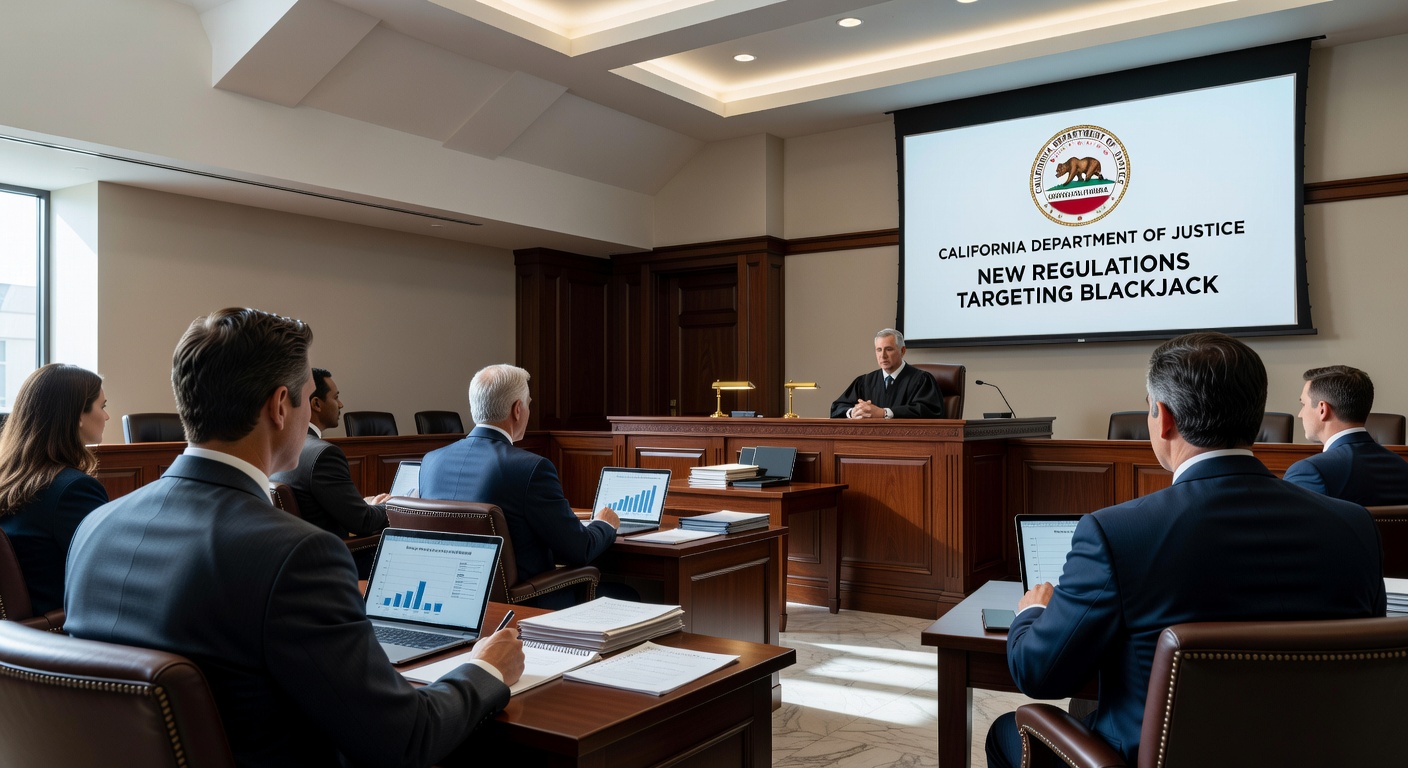
The San Francisco Superior Court delivered a preliminary injunction on May 21, 2026 in the case of California Gaming Association v. Bonta that suspends enforcement of new Department of Justice rules for 45 days while the legal challenge proceeds and the order blocks implementation of regulations codified at California Code of Regulations title 11 sections 2073 through 2077 that address blackjack-style games along with the rotation of player-dealer positions inside licensed cardrooms across the state.
Those rules received final approval on April 1 2026 and carried compliance deadlines that the injunction now pauses for the specified period giving cardroom operators and industry groups additional time to present their arguments before any changes take effect and the court action stems directly from multiple lawsuits filed by gaming associations seeking to prevent restrictions on traditional game mechanics used in non-tribal facilities.
Background on the Targeted Regulations
California cardrooms operate under a distinct legal framework that separates them from tribal casinos and the new provisions specifically targeted how blackjack-style games could be offered along with requirements for rotating the player-dealer position at regular intervals and observers note that these measures aimed to align cardroom offerings more closely with existing state statutes that limit banking games to tribal entities operating under tribal-state compacts.
The regulations emerged after extended review by the Department of Justice and they outlined definitions for acceptable game structures while imposing limits on continuous player-dealer arrangements that had become common in many venues and the approval timeline placed operators on notice that they would need to modify tables and procedures once the April 1 date passed yet the pending litigation altered that trajectory.
Details of the Injunction and Lawsuit
Judge oversight in the San Francisco Superior Court determined that the industry plaintiffs demonstrated sufficient grounds for temporary relief and the resulting order prevents state officials from enforcing the identified code sections for the next 45 days while the case advances through further hearings and filings and this pause applies statewide to all affected cardrooms rather than being limited to specific counties or facilities.
The California Gaming Association serves as the lead plaintiff in the action against Attorney General Rob Bonta in his official capacity and additional parties from the cardroom sector joined the challenge citing concerns over operational disruptions and revenue impacts and court documents indicate that the industry arguments center on whether the rules exceed the Department of Justice authority or conflict with prior legislative intent regarding game approvals.
Immediate Effects on Cardroom Operations
With the injunction in place cardrooms retain their existing blackjack-style offerings and dealer rotation practices without facing immediate penalties or compliance mandates and this continuity allows facilities to maintain current table configurations and staffing patterns while the litigation unfolds and operators have reported that the suspension avoids abrupt changes that could have affected player participation and daily revenue streams.
State regulators must now wait out the 45-day window before pursuing any enforcement actions tied to the contested sections and the Department of Justice retains the ability to respond through additional legal filings yet the preliminary order creates a defined period during which no new restrictions apply and this structure mirrors standard preliminary injunction procedures that preserve the status quo pending full resolution.
Broader Context of Industry Litigation
Legal challenges against gaming regulations have appeared periodically in California as stakeholders test the boundaries of administrative authority versus statutory language and the current case follows that pattern by focusing on specific mechanics rather than seeking wholesale deregulation and attorneys representing the cardroom side have emphasized that the disputed rules would have altered long-standing practices without corresponding legislative action.
Those following the proceedings point out that the 45-day suspension provides a structured interval for both sides to prepare additional evidence and arguments and the court retains jurisdiction to extend modify or lift the injunction depending on developments and this measured approach reflects judicial preference for avoiding irreversible operational shifts while substantive questions remain unresolved.
Next Steps in the Legal Process
Further hearings are expected within the 45-day period as the parties exchange information and refine their positions ahead of any decision on a permanent injunction or summary judgment and the Department of Justice may file responses that address the scope of its regulatory authority under existing statutes and the outcome could influence how future game approvals are handled for cardrooms statewide.
Industry representatives continue to monitor compliance calendars that were tied to the April 1 approval date yet the injunction effectively resets those timelines until the court issues additional guidance and participants in the case have indicated that settlement discussions remain possible though no agreements have been announced at this stage.
Conclusion
The preliminary injunction issued on May 21 2026 in California Gaming Association v. Bonta creates a defined pause in the rollout of regulations governing blackjack-style games and player-dealer rotations inside California cardrooms and the 45-day suspension keeps existing operations intact while litigation continues and the case centers on questions of regulatory scope that affect how non-tribal facilities may structure their table games going forward and observers expect additional court activity before the temporary order expires.