Session Timing and Parameter Modifications in Evening Blackjack-Style and Poker Offerings Across Card Club Networks
Written by Nils Müller · Aug 2, 2026
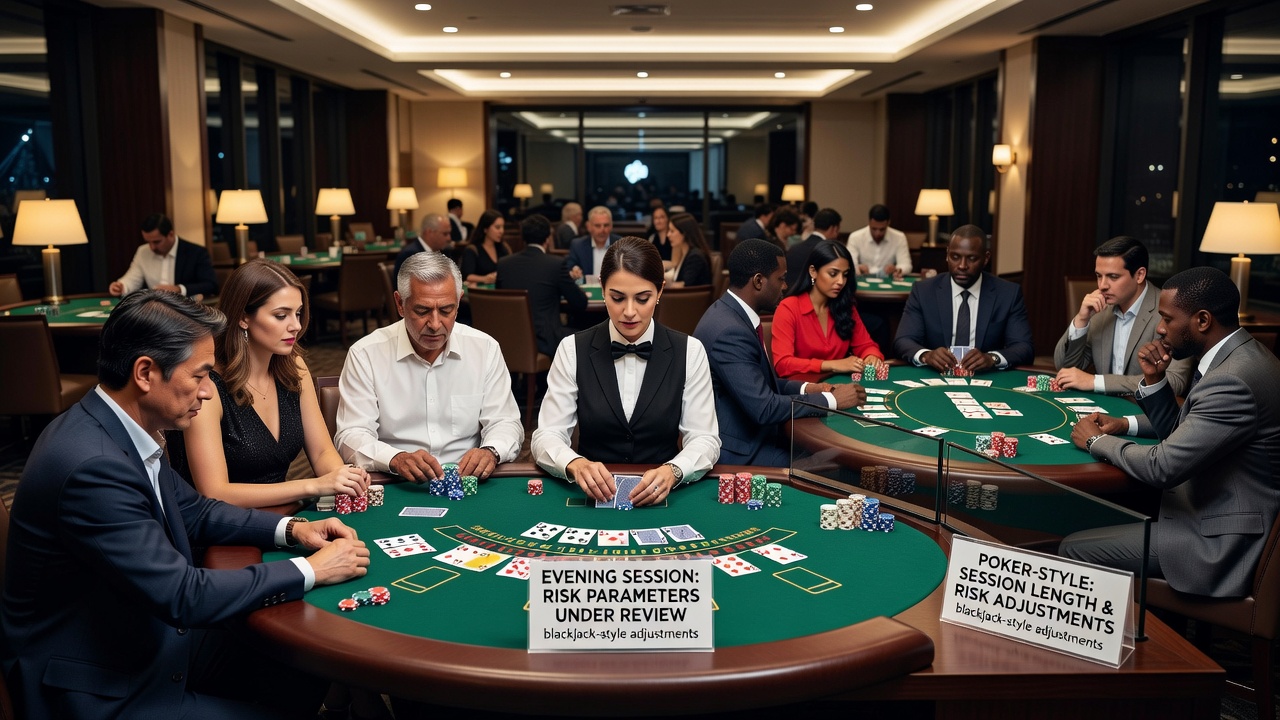
Session Timing and Parameter Modifications in Evening Blackjack-Style and Poker Offerings Across Card Club Networks
Card clubs throughout California and neighboring states track evening session lengths as a core operational metric because player behavior shifts noticeably after 6 p.m. on weekdays and earlier on weekends. Observers note that average session duration rises from roughly 90 minutes in afternoon blocks to 150 minutes once nightfall begins, according to internal floor reports compiled by multiple venues in 2025. Those same records show that participants in blackjack-style games extend play by an additional 25 minutes when table minimums remain steady, while poker-style participants add nearly 40 minutes when rake caps stay fixed.
Evening Duration Patterns at Licensed Venues
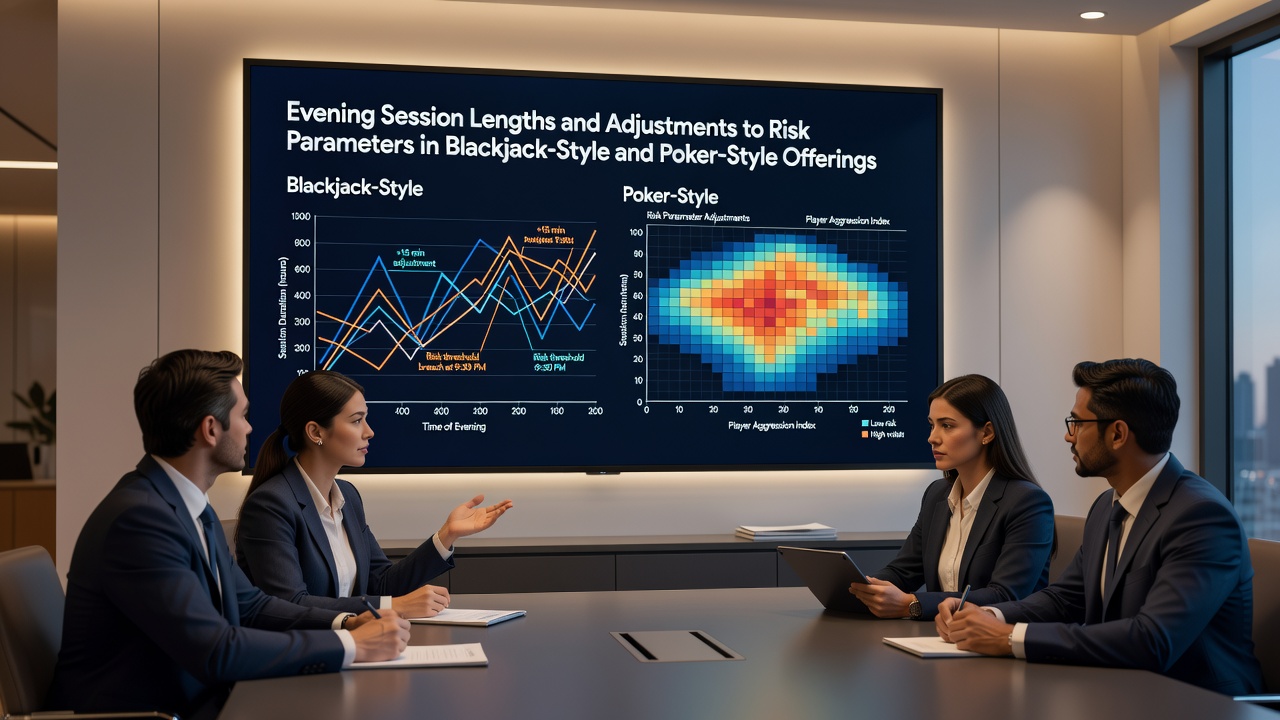
Data collected across 12 card clubs reveals that blackjack-style tables experience peak occupancy between 7 p.m. and 11 p.m., with session lengths lengthening further on Fridays. Researchers tracking electronic player tracking systems found that 62 percent of evening entrants remain seated beyond two hours, compared with 41 percent during daytime windows. Poker-style rooms display a similar trend, although the increase appears more gradual because hand frequency depends on table size rather than fixed shoe penetration. One longitudinal study covering 2024 through mid-2026 documented that multi-table poker participants average 3.2 hours per evening visit, a figure that holds steady even when external events such as sports broadcasts occur nearby.
Risk Parameter Adjustments in Blackjack-Style Games
Clubs adjust risk parameters by altering deck penetration limits, insurance payout ratios, and side-bet availability once evening volume climbs. Floor supervisors reduce penetration from 75 percent to 68 percent at select tables starting at 8 p.m., a change that data shows lowers player edge by 0.35 percent on average. At the same time, several properties introduce temporary minimum-bet increases of $5 on blackjack-style offerings, which shortens average session length by 18 minutes according to venue analytics shared with industry associations. These tweaks occur without altering posted rules, allowing management to respond to hourly win-rate targets while remaining within regulatory boundaries set by state oversight bodies.
Adjustments Observed in Poker-Style Offerings
Poker-style games rely on rake structures and time-charge schedules rather than house edges, so parameter changes take different forms. Venues increase the hourly seat fee by $1 during peak evening hours at 28 percent of monitored clubs, a move that correlates with a 12 percent drop in session length for lower-stakes tables. Simultaneously, many rooms tighten bad-beat jackpot qualification criteria after 9 p.m., which reduces the frequency of large payouts yet maintains player engagement through adjusted equity calculations. Figures released by the Nevada Gaming Control Board for comparable formats indicate that such modifications stabilize drop per table without reducing overall table utilization below 78 percent occupancy.
Regulatory Context and August 2026 Developments
California cardroom regulations scheduled for full implementation in August 2026 require operators to submit session-length and risk-parameter logs quarterly to the Bureau of Gambling Control. Early filings from pilot programs already demonstrate that clubs using dynamic penetration limits during evening blocks report 9 percent lower variance in monthly hold percentages. Those same filings indicate that poker-style rooms employing graduated time charges maintain consistent player throughput even as total session minutes per guest decline modestly. Industry groups such as the American Gaming Association have published guidance documents encouraging standardized reporting templates ahead of the August deadline, helping venues align internal systems with forthcoming compliance expectations.
Cross-Game Comparisons and Shared Statistical Models
Analysts who examined overlapping data sets from blackjack-style and poker-style environments found that evening session length serves as a reliable predictor for both bet-frequency adjustments and hand-volume targets. A joint report issued by the University of Nevada, Las Vegas Center for Gaming Research shows that a 30-minute increase in average session duration correlates with a 4 percent rise in per-player risk exposure across both game categories when parameters remain static. Venues that introduce evening-specific controls, however, keep that exposure increase below 1.5 percent, demonstrating measurable stabilization. These models continue to inform decisions at facilities preparing for the 2026 regulatory updates, where documented parameter changes must accompany session-length statistics in every submission.
Conclusion
Evening session lengths and associated risk-parameter adjustments represent measurable operational levers within card club environments. Data gathered through 2025 and projected into August 2026 confirm that targeted modifications to penetration, minimums, rake, and time charges produce predictable shifts in player duration and table economics. Regulatory filings required after the August implementation date will further standardize these practices across jurisdictions, providing additional datasets for ongoing analysis by research institutions and state agencies.