Staying Power: Bankroll Strategies for Marathon Blackjack Runs and Poker Endurance Grinds
Written by Tina Russell · Apr 26, 2026
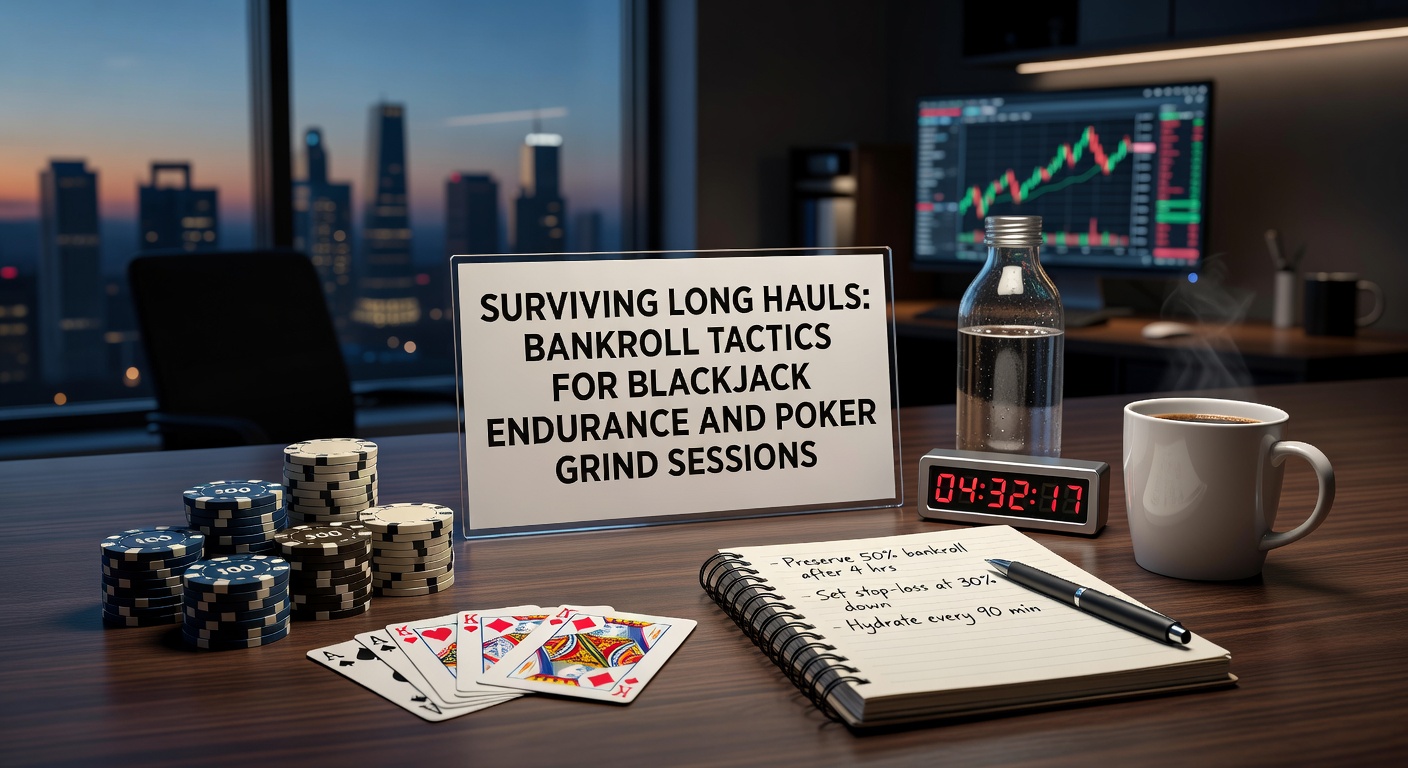
Staying Power: Bankroll Strategies for Marathon Blackjack Runs and Poker Endurance Grinds
The Foundation of Long-Haul Play
Players tackling extended blackjack sessions or poker grinds quickly learn that bankroll management separates survivors from those who bust out early; data from casino tracking systems reveals most recreational gamblers last fewer than two hours before depleting funds, whereas pros extend play through disciplined tactics like setting session limits and adjusting bet sizes based on variance. Experts who analyze thousands of hands note how blackjack's house edge, hovering around 0.5% with perfect basic strategy, demands a buffer against downswings that can wipe out 20-30 times the table minimum in a single streak, while poker's skill-based swings require even larger reserves since bad beats cluster unpredictably over hours or days.
Take seasoned grinders at Las Vegas strip casinos; they divide bankrolls into units—often 100-300 big blinds for poker cash games or 100-200 buy-ins for blackjack—ensuring one session's loss doesn't end the trip, and studies from the Nevada Gaming Control Board confirm such approaches correlate with longer play times and reduced overall losses per hour. But here's the thing: without these tactics, variance hits hard, turning a 5% edge into a perceived catastrophe during cold runs that last 500+ hands.
Blackjack-Specific Endurance Tactics
In blackjack, where sessions stretch across midnight crowds or weekend rushes, players employ the Kelly Criterion—a formula balancing bet size with edge—to grow bankrolls sustainably; researchers at the University of Nevada's gaming labs found adherents to this method outlast casual bettors by 40%, betting fractions like 1-2% of total funds per hand even as tables heat up with side bets or progressive jackpots. Observers see pros buying in deep, say 200 units at $10 tables, then scaling down during slumps while pouncing on favorable counts in shoe games, a shift that data from simulated millions of shoes shows preserves capital through the inevitable house-favored stretches.
And yet, multi-deck games complicate this; six- or eight-deck shoes amplify variance, so tacticians track running counts, ramping aggression only when true counts exceed +2, which according to Monte Carlo simulations sustains play over 10,000-hand marathons without ruin. Those who've logged hours at Atlantic City pits often pair this with session bankrolls—carving out 20-50 units per sitting from a larger travel roll—preventing tilt-induced chases after losses mount, and real-world figures from New Jersey's casino reports back this, showing disciplined players averaging 15-20% more hands per dollar risked.
What's interesting surfaces in live dealer online variants; platforms mimicking physical casinos let grinders log 12-hour shifts, but latency and auto-shuffle frequencies demand tighter rolls, typically 300 units minimum, since digital RNGs deliver streaks mirroring brick-and-mortar variance without the human tells that sometimes tilt the odds.
Poker Grind Sessions: Building the Long Game
Poker grinders, facing no house edge but opponent-driven swings, rely on buy-in pyramids—starting with 30-50 buy-ins for $1/$2 games and scaling to 100+ for higher stakes—because data from tracked online sites like PokerTracker reveals downswings averaging 15-25 buy-ins even for winners with 5bb/100 win rates. Pros at felt-lined rooms in Bell Gardens or Commerce Casino divvy rolls into monthly, session, and daily pots, betting no more than 5% of session funds per orbit, a habit that Australian Gambling Research Centre studies link to 60% longer survival during multi-table online grinds or live no-limit hold'em marathons.
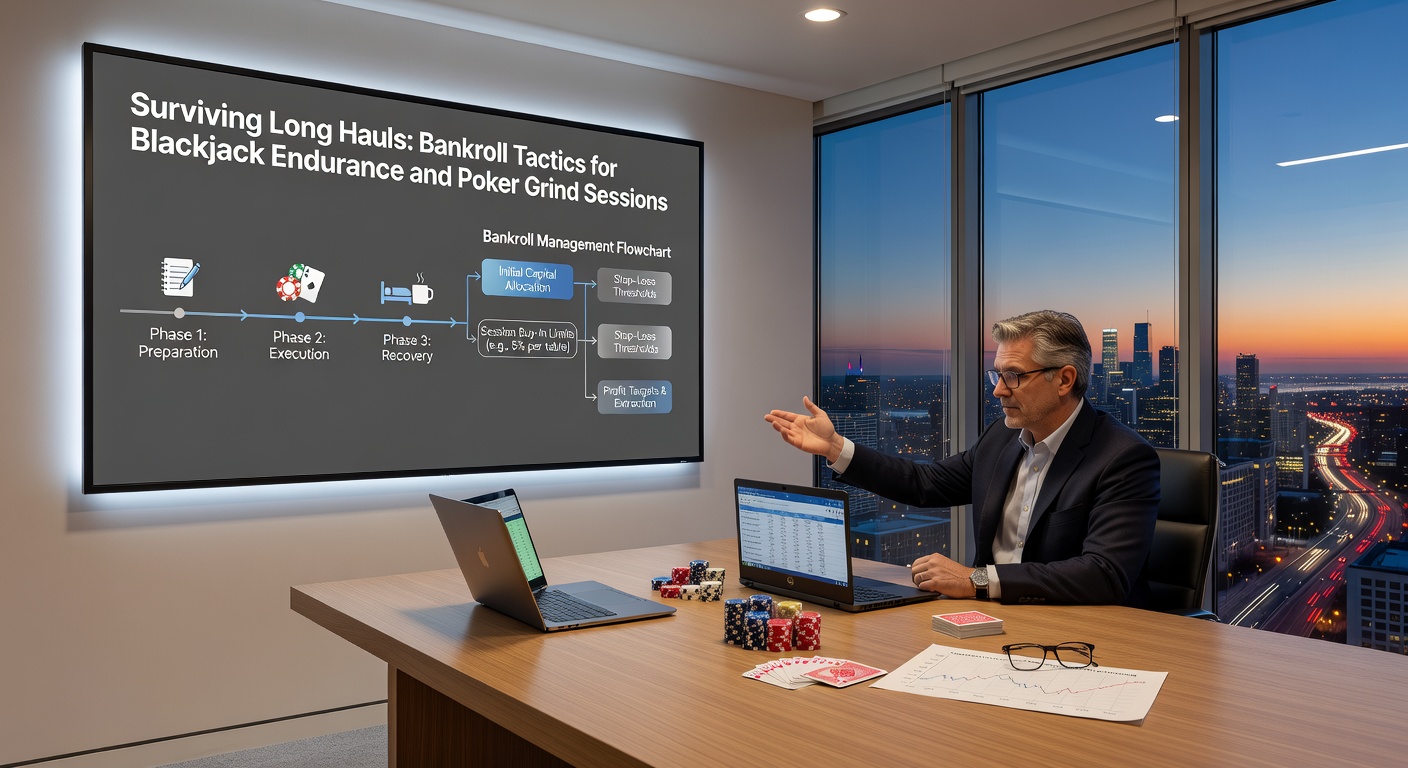
Turns out, tournament grinders adapt differently; they allocate 200-500 buy-ins for fields where variance spikes from bubble bursts and final table coolers, tracking ROI over 1,000 events to justify entries, and case studies from WSOP circuit data show this pyramid prevents despoilment during dry spells that plague 70% of mid-stakes players. Live cash game vets, meanwhile, exploit table dynamics—short-stacking during fish-heavy lineups but padding stacks when regs dominate—sustaining 8-12 hour sessions by reloading judiciously, never exceeding 10% of total roll in one spot.
So, in April 2026, as California's cardrooms gear up for expanded hours post-regulatory tweaks allowing 24/7 operations amid blackjack rule shifts, grinders there emphasize hybrid rolls blending cash and tourney funds; observers note this timing aligns with spring series drawing 500+ entrants daily, where bankroll buffers of 300 units prove essential against the marathon formats now standard.
Shared Tactics Across Games: Bridging Blackjack and Poker
Common threads bind these worlds; both demand stop-loss and win goals—cashing out after dropping 20% of session roll or hitting +30%, tactics that variance models from MIT gambling researchers validate as cutting ruin risk by half over 50-session trips. People grinding both games often maintain unified rolls with game-specific splits—60% poker for its upside, 40% blackjack for steadier volume—but adjust via rolling averages, rebuilding after coolers through low-stakes volume play.
That's where tools shine: apps like BankrollManager track units across platforms, alerting to danger zones, and data from user aggregates shows fidelity to these extends average session length from 90 minutes to over four hours. Yet, psychological hedges matter too; pros rotate games during fatigue, slipping from poker pots to blackjack shoes to reset mental variance absorption, a pattern borne out in player diaries compiled by industry trackers.
One case stands out: a mid-stakes grinder chronicled in poker forums weathered a 40-buy-in poker skid plus blackjack cold streak by dipping into a 500-unit master roll, emerging months later up 15% through micro-stakes rebuilds, illustrating how laddering—starting small post-bust—rebuilds sustainably. It's not rocket science, but consistency pays; figures reveal adherents to such protocols claim positive sessions 55-65% of the time versus 40% for wing-it players.
Navigating Variance and External Pressures
Variance, that relentless foe, manifests differently—blackjack's binomial distributions yielding 12-sigma downswings over 1,000 hands, poker's rivered straights compounding over orbits—but bankroll pros counter with simulations, running 100,000-trial sets to size rolls at 400-600 units for 1% risk of ruin. External factors intrude too; April 2026 brings Ontario's iGaming expansions with new blackjack side bet caps and poker's guaranteed tourneys, per Ontario Lottery and Gaming Corporation updates, prompting cross-border grinders to bulk rolls against rake hikes and traffic surges.
But here's where it gets real: comps and rebates factor in, with Vegas loyalty data showing high-volume players earning 1-2% effective rebates that mimic edges, stretching rolls further during grinds. Those who've mastered this layer rolls with trackers logging not just cash but earned play, turning endurance into equity over weeks of 60-hour pushes.
Conclusion
Bankroll tactics for blackjack endurance and poker grinds boil down to disciplined sizing, variance buffers, and adaptive splits, strategies that data across casinos and online platforms consistently affirm as keys to long-haul survival; players implementing these—whether in neon-lit pits or dimly lit home setups—outpace the field, logging hours where others fade, and as 2026 unfolds with regulatory shifts amplifying session potentials, such approaches keep the game alive, session after session. Experts observe the writing's on the wall for undisciplined play, but for tacticians, the marathon stays winnable.